Discovering the Advantages of Mental Treatment for Adolescent Well-Being and Growth
Mental treatment plays a pivotal function in the health and development of young adults. Teenage years is a turbulent duration noted by emotional and social difficulties. Treatment uses an organized setting for teenagers to express their sensations and challenge their battles. It outfits them with important tools for resilience and communication. As they navigate this developmental stage, the impact of treatment can be extensive. What details advantages can arise from such assistance throughout these formative years?
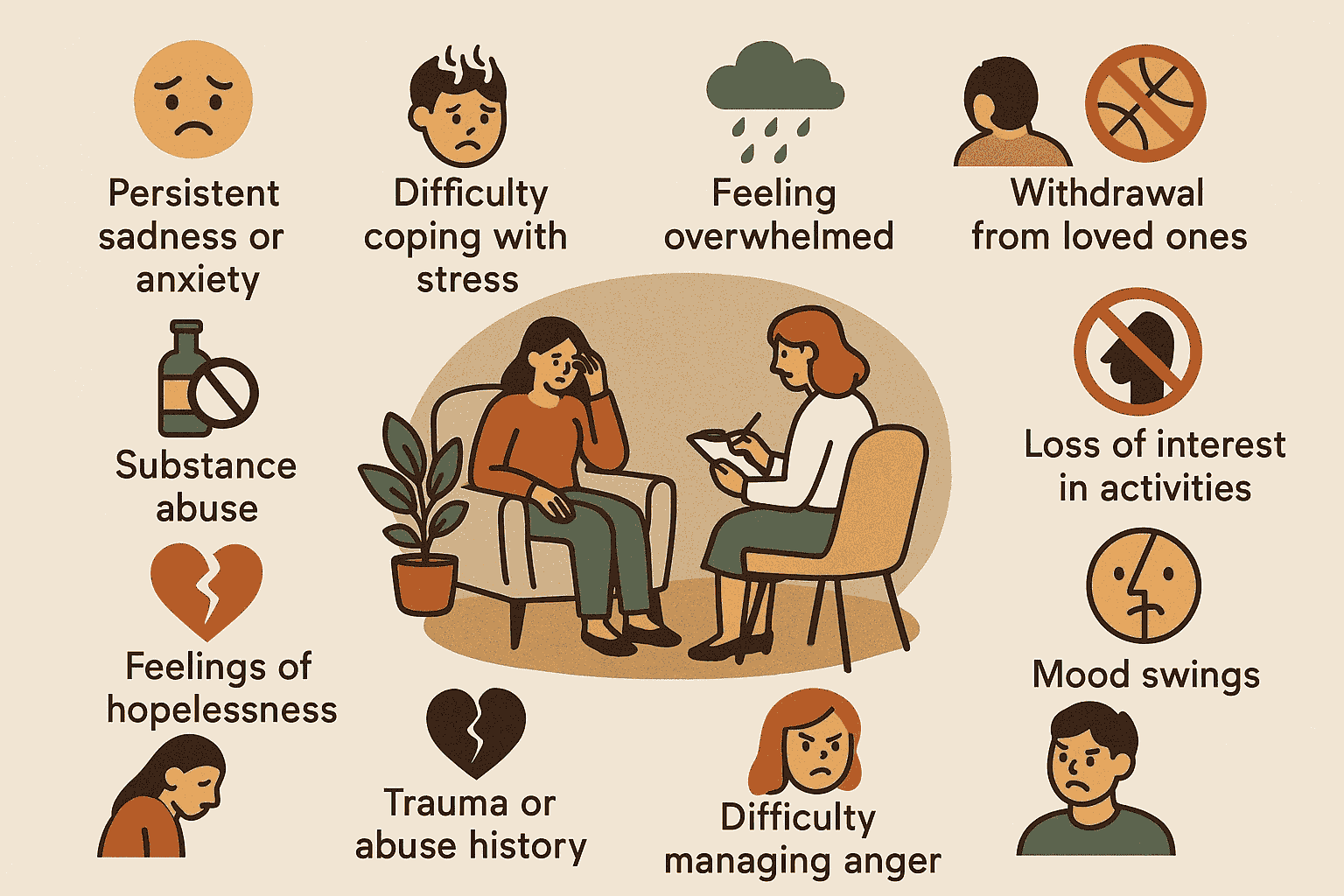
Comprehending the Teen Mind: Stress and difficulties
As teens browse the intricacies of their developing stage, they deal with many difficulties and pressures that can considerably affect their mental health and wellness. This period is marked by significant physical, psychological, and social adjustments, which can generate sensations of complication and uncertainty. Peer influence magnifies, frequently resulting in a struggle for approval and identification. Academic expectations can create additional stress, as the stress to stand out installs in an increasingly competitive setting.
Additionally, the development of social networks introduces a brand-new layer of intricacy, where comparisons to curated online personas can aggravate sensations of inadequacy and anxiousness. These factors can cause emotional distress, consisting of stress and anxiety, depression, and reduced self-esteem. Recognizing these difficulties is essential for moms and dads, educators, and psychological health specialists, as it offers understanding into the teenage experience and highlights the need for encouraging interventions to cultivate resilience and health during this essential developmental stage.
Developing a Safe Area for Expression
Creating a safe area for expression is crucial for teenagers steering their turbulent developing phase. In restorative setups, this atmosphere promotes open dialogue, permitting teens to interact their feelings without worry of judgment. Such spaces allow them to discover their emotions and thoughts, which is essential for recognizing their identities and experiences.
When teenagers feel secure, they are more likely to share their battles, consisting of stress and anxiety, anxiety, or social conflicts. This open communication can result in deeper understandings and assist in personal development.
A safe space motivates creative thinking and self-reflection, offering teenagers the liberty to reveal themselves with various electrical outlets, such as art or writing. Developing count on in between the specialist and the teenage is essential, as it underpins the effectiveness of the healing procedure. Inevitably, developing a secure area for expression offers as a foundation for emotional healing and individual advancement during these formative years.
Developing Coping Strategies and Resilience

Therapists frequently introduce techniques such as mindfulness, journaling, and analytic skills, allowing teens to handle their reactions better. Additionally, by taking part in role-play circumstances, they practice how to handle tight spots, enhancing their confidence. In time, these skills promote a sense of agency, furnishing teens with the devices to navigate life's uncertainties. The advancement of durability not only aids in conquering instant challenges but also prepares for much healthier psychological actions in their adult years, ultimately adding to long-lasting well-being.
Enhancing Communication Abilities
Effective communication abilities are vital for young adults as they navigate complex social landscapes. Mental therapy plays an essential role in enhancing these skills, allowing adolescents to share their feelings and thoughts much more clearly. Through guided sessions, therapists encourage teenagers to verbalize their sensations, facilitating better understanding in peer communications and family characteristics.
Additionally, treatment provides a secure space for practicing energetic listening, empathy, and assertiveness. These skills equip young adults to involve in purposeful conversations, willpower conflicts, and develop more powerful connections. As they learn to communicate successfully, they also gain confidence in their ability to promote on their own and their demands.
Furthermore, boosted interaction abilities add to psychological knowledge, allowing teenagers to react and identify to the emotions of others. This alternative advancement cultivates a supportive atmosphere, eventually promoting general well-being and social combination. With mental therapy, teenagers can grow these essential abilities for a much healthier social experience.
Cultivating Individual Growth and Self-Discovery
Fostering personal development and self-discovery in teens includes a multifaceted approach that encourages understanding of individuality. This process also stresses the relevance of structure durability skills and boosting psychological awareness. Together, these components produce a foundation for much healthier, a lot more confident people as they browse their formative years.
Recognizing Individuality
Just how do teens navigate the facility landscape of individuality as they venture for self-discovery and growth? Throughout this formative duration, they come to grips with various impacts, including peers, family members, and societal assumptions. Mental treatment can act as an important device, offering a secure area for expedition and representation. Through assisted conversations, young adults can articulate their sensations and ideas, enabling them to recognize their wishes, ideas, and values. This procedure cultivates a deeper understanding of their unique identity, encouraging them to make informed options and create a sense of function. As they take part in self-discovery, they find out to embrace their originality and browse challenges with higher quality, ultimately enhancing their general health and individual growth.
Building Durability Abilities

Enhancing Psychological Recognition
Enhancing psychological understanding is important for teens maneuvering the complexities of teenage years, as it enables them to determine and understand their sensations better. By engaging in mental treatment, teenagers discover to recognize their psychological actions and the triggers behind them. This process fosters individual growth why not check here and self-discovery, enabling them to express their emotions and manage obstacles much more adeptly. As teens create emotional recognition, they cultivate compassion, enhance relationships, and boost communication skills. Furthermore, this heightened understanding aids in decision-making, aiding them navigate social stress and establish a feeling of identity. Ultimately, promoting emotional understanding through treatment can lead to much healthier coping mechanisms and a much more balanced mood, basic for prospering throughout these formative years.
Building Healthy Relationships and Assistance Systems
While passing through the complexities of adolescence, constructing healthy connections and support group is vital for teenagers. These connections give emotional stability and a feeling of belonging, critical during this developing stage. Positive connections with peers, family members, and mentors can improve self-worth and resilience, allowing young adults to navigate challenges better.
Mental therapy plays an essential duty in fostering these relationships by furnishing teens with interaction and conflict-resolution abilities. Through therapy, they discover to reveal their sensations, recognize various perspectives, and establish boundaries, which are essential for preserving healthy and balanced communications.
Supportive networks encourage teenagers to seek help when needed, reducing isolation and promoting psychological health. When teens really feel attached to their support group, they are more probable to participate in useful habits and make informed decisions. In general, the cultivation of healthy and balanced partnerships and support group is important in promoting adolescent health and personal growth
Regularly Asked Questions
How Do I Locate a Professional Therapist for My Young adult?
To locate a certified specialist for a young adult, one ought to seek recommendations from medical care companies, study credentials online, examine testimonials, and identify the specialist focuses on teen problems, cultivating an encouraging setting article source for growth.
What Are the Expenses Related To Psychological Treatment for Teenagers?
The costs connected with mental treatment for teens vary extensively, normally varying from $50 to $250 per session. Insurance protection, gliding scale charges, and neighborhood sources can influence cost and access for families seeking assistance.
Just How Frequently Should Teenagers Go To Treatment Procedure?
Teenagers should ideally go to treatment sessions once a week or biweekly, depending on individual requirements. Constant sessions can promote a secure room for expression, while permitting therapists to monitor development and change methods properly with time.
Can Treatment Work for All Teens?
Therapy can be effective for several teens, but individual results vary. Elements such as personal circumstances, openness to the procedure, and the therapeutic approach used all affect its performance for each and every teenage.
What Should Moms and dads Do Throughout Their Teen's Therapy Process?
Parents should proactively sustain their teen's therapy process by maintaining open interaction, valuing privacy, going to sessions if invited, and encouraging their youngster's initiatives (Individual Therapy Toronto). Understanding and patience are essential as teenagers navigate their personal development journey
Mental treatment plays an essential function in the well-being and development of teens. By engaging in psychological therapy, adolescents find out to acknowledge their emotional feedbacks and the triggers behind them. Mental therapy plays an essential function in fostering these connections by gearing up teens with interaction and conflict-resolution skills. Young click to read more adults ought to preferably go to therapy sessions regular or biweekly, depending on individual demands. Parents need to actively sustain their teenager's treatment process by keeping open communication, appreciating confidentiality, participating in sessions if invited, and motivating their child's initiatives.